





What insulation class to confirm with a high voltage transformer supplier
When evaluating a high voltage transformer supplier, insulation class is one of the first technical points worth confirming. It sounds like a basic checkbox, but in practice it shapes how the transformer handles heat, overloads, ambient conditions, aging, and long-term reliability. For technical assessment teams, this is not just about reading a nameplate value. It is about verifying whether the insulation system is properly matched to the project’s electrical duty, thermal profile, installation environment, and applicable standards.
That distinction matters. A transformer may meet the rated voltage and power requirements on paper, yet still be a poor fit if the insulation design does not align with real operating conditions. In substations, industrial plants, renewable energy installations, and infrastructure projects, insulation weakness often stays invisible until heat, contamination, moisture, or repeated loading cycles expose it. By then, the cost is no longer limited to replacement. It can involve outages, commissioning delays, or difficult root-cause analysis across multiple stakeholders.
For that reason, insulation class should be treated as an engineering discussion with the supplier, not a catalog term.
What “insulation class” really means in transformer evaluation
In transformer selection, insulation class is often understood in two closely related ways. One refers to the thermal class of the insulating materials, meaning the maximum temperature the insulation system can withstand continuously without unacceptable loss of life. Common thermal classes include A, E, B, F, and H, each linked to allowable temperature limits for insulation materials.
The second meaning, especially in high-voltage applications, concerns the transformer’s insulation level: its ability to withstand power-frequency voltage, lightning impulse voltage, and switching surges. Technical teams should be careful not to mix these ideas. A supplier may state one clearly and leave the other implied. Both need confirmation.
When speaking with a high voltage transformer supplier, ask which definition they are using in drawings, datasheets, and quotations. If the communication is vague, that is already a useful signal. Clear suppliers distinguish thermal endurance from dielectric withstand capability because they affect different parts of design verification.
Why technical buyers should confirm insulation class early
Insulation decisions influence more than compliance. They affect the transformer’s temperature rise margin, winding life, maintenance expectations, and tolerance to site realities that rarely stay ideal for long. A coastal project, for instance, may face salt contamination and humidity. A steel plant may bring harmonic distortion, dust, and sustained heavy loading. A renewable energy connection point may experience frequent load variation and voltage stress patterns different from a conventional utility feeder.
If insulation class is discussed only after commercial comparison begins, teams can end up comparing suppliers on incomplete assumptions. Two bids may look equivalent in rated capacity, cooling method, and voltage ratio, while their insulation systems differ in thermal reserve, partial discharge control, or impulse withstand margins. That gap can change the true lifecycle value of the equipment.
Early confirmation also makes internal review easier. Technical evaluators often need to justify why a certain supplier is acceptable beyond price. Insulation class gives a concrete basis for that judgment because it connects directly to risk, operating life, and standard conformity.
The core questions to ask a high voltage transformer supplier
A useful supplier conversation goes beyond “What is the insulation class?” The better question is: How was the insulation system selected for this application, and how is it verified?
At minimum, technical teams should confirm the following:
- The thermal class of the insulation materials used in windings, barriers, spacers, leads, and associated components
- The maximum permissible temperature rise under rated conditions
- The reference ambient temperature assumed in the design
- The dielectric insulation level, including power-frequency withstand and impulse withstand values
- Applicable standards used for design and testing, such as IEC or IEEE/ANSI frameworks where relevant
- Whether the stated insulation performance applies to the complete transformer assembly, not only individual materials
- How cooling method, overload expectation, and installation altitude affect the final insulation design
This is where many assessments become more meaningful. A supplier that can explain the insulation system in relation to the full thermal path, dielectric structure, and manufacturing controls is usually easier to evaluate than one relying on generic ratings alone.
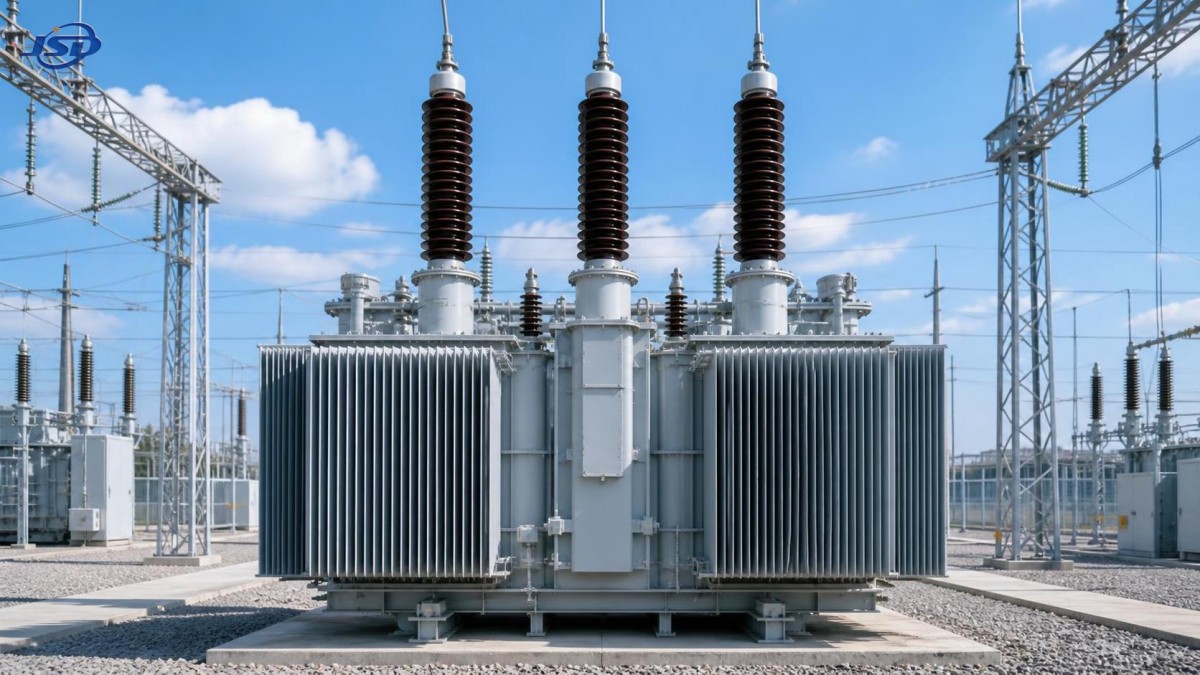
Thermal class is not the same as safe operating temperature in every project
One common misunderstanding is assuming that a higher insulation thermal class automatically means a better transformer. Not always. A Class F or Class H insulation system may offer greater thermal endurance than Class B, but that does not mean every project needs the highest available class. The right choice depends on how the transformer will actually operate.
For example, if the transformer is expected to run in a hot enclosure, under fluctuating industrial loads, or with limited cooling margin, a higher thermal class may provide valuable reserve. On the other hand, if the design uses a higher-class material system but still operates close to thermal limits due to inadequate cooling or conservative sizing, the practical benefit may be smaller than expected.
That is why technical teams should ask not only for the insulation class, but also for the expected hottest-spot temperature, average winding temperature rise, and loading assumptions. A credible high voltage transformer supplier should be able to relate thermal class to real operating conditions rather than present it as a standalone selling point.
Insulation level must match system voltage stress, not just rated voltage
In high-voltage systems, dielectric insulation level deserves equal attention. The transformer must withstand normal operating voltage, temporary overvoltages, and transient events such as lightning impulses and switching surges. If the insulation level is underspecified, the transformer may pass routine conditions but remain vulnerable during disturbance events that happen only occasionally yet cause severe damage.
Technical assessors should confirm the rated withstand values required by the project specification and compare them with the supplier’s offered design. This includes line terminals, neutral points where relevant, clearances, creepage distances, and internal insulation coordination.
Projects connected to overhead lines, exposed substations, or areas with strong lightning activity should be especially careful here. In these cases, insulation coordination with arresters and system protection philosophy matters just as much as the transformer’s internal insulation strength.
How environment changes the insulation discussion
Insulation class becomes more meaningful when placed in context. A transformer installed indoors in a clean, temperature-controlled electrical room faces a different reality from one installed outdoors in a humid, dusty, high-altitude, or corrosive environment.
Ask the supplier how environmental conditions affect material choice, insulation spacing, sealing, and cooling assumptions. High altitude can reduce cooling efficiency. Moisture can accelerate insulation degradation. Pollution can increase surface leakage risk on bushings and external insulation parts. Frequent thermal cycling can also stress the insulation system mechanically over time, especially in applications with variable generation or intermittent industrial processes.
A technically mature supplier should not treat insulation class as an isolated parameter. It should be linked to the transformer’s full application environment. Companies such as Jinshida Electric Power Technology, which focus on power transmission and distribution equipment for grid, industrial, new energy, and infrastructure use, typically understand that transformer reliability is the result of design, manufacturing discipline, and application fit working together—not one label alone.
Standards to confirm before comparing suppliers
For technical and standards-driven searches, this is often where the real screening begins. Confirm which standards govern the transformer design, type tests, routine tests, and insulation verification. Depending on project location and owner requirements, this may involve IEC, IEEE, ANSI, or local grid specifications.
Insulation-related confirmation should include:
- Temperature rise test requirements
- Applied voltage tests
- Induced voltage tests
- Lightning impulse withstand tests
- Partial discharge limits where applicable
- Insulation resistance and drying process controls
If a high voltage transformer supplier states compliance, ask whether the offered design follows the same test philosophy as the project requirement. The wording matters. “Designed according to” and “tested according to” are not always the same thing. Technical review teams should also check whether any test reports refer to identical or only similar designs.
Manufacturing quality often tells you more than the nominal class
Two transformers can use insulation materials of the same thermal class and still perform very differently in the field. The difference often comes from process control: conductor insulation application, drying treatment, vacuum processing, clamping pressure, oil handling for oil-immersed units, resin quality for dry-type units, and contamination control during assembly.
This is an important reminder for supplier qualification. Insulation class on paper does not guarantee insulation integrity in production. Ask about process consistency, moisture management, and quality checkpoints during winding, core-coil assembly, and final testing. A supplier with a rigorous quality management system and strong technical communication can usually explain these controls clearly, which helps reduce uncertainty during evaluation.
Warning signs during supplier review
Some responses should prompt deeper scrutiny. Be cautious if a supplier:
- Uses insulation class and insulation level interchangeably without clarification
- Provides only material class but no complete system temperature-rise explanation
- Avoids discussing impulse withstand values or partial discharge behavior
- Cannot relate insulation performance to ambient temperature, altitude, or load cycle
- Offers test language that is broad but technically noncommittal
- Focuses on high-class materials while ignoring thermal design margins
None of these points automatically disqualifies a supplier, but they do suggest that the technical evaluation should go deeper before approval.
A practical way to compare suppliers
For engineering teams building a comparison matrix, it helps to separate insulation review into three columns: material thermal class, dielectric insulation level, and verification evidence. That structure prevents a common mistake—overvaluing a familiar insulation label while missing whether the transformer was designed and tested for the project’s actual stress profile.
Then connect each item back to site conditions: expected overload pattern, harmonic environment, cooling method, ambient temperature range, altitude, contamination level, and maintenance access. Once that is done, the discussion with each high voltage transformer supplier becomes much more concrete. You are no longer comparing general claims. You are comparing application fit.
What to conclude before moving to the next stage
Insulation class is not a minor specification line. It is one of the clearest windows into whether a transformer design is robust, appropriately engineered, and aligned with the realities of the project. Technical assessment personnel should confirm both thermal insulation class and dielectric insulation level, then check how those values are supported by design assumptions, manufacturing processes, and test standards.
In a market where many products appear similar at first glance, this is often where experienced evaluators separate acceptable offers from risky ones. The best supplier discussions are rarely the shortest; they are the ones where insulation class leads naturally into a deeper conversation about temperature rise, surge withstand, environment, quality control, and expected service life. That is the conversation worth having before any final supplier selection is made.

Get a Quote
Regardless of whether you require general advice or specific support, we are happy to help you.
Send Us Your Inquiry Today

Jinshida Electric remains committed to contributing to global energy development through professional manufacturing and superior service.