





What Dissolved Gas Results Can Reveal About Copper-Winding Power Transformer Faults
What Dissolved Gas Results Can Reveal About Copper-Winding Power Transformer Faults
Dissolved gas analysis provides maintenance teams with an early warning system for hidden internal faults in a copper winding power transformer.
By interpreting gas patterns correctly, after-sales technicians can identify overheating, partial discharge, arcing, insulation degradation, and winding-related issues before failures cause outages.
The most useful DGA result is rarely a single gas value. Reliable diagnosis depends on gas type, concentration, rate of change, operating history, and confirmation testing.
For field teams, the practical question is straightforward: does the transformer require closer monitoring, an urgent inspection, load reduction, or immediate isolation?
Start with the Fault Energy Behind Each Gas
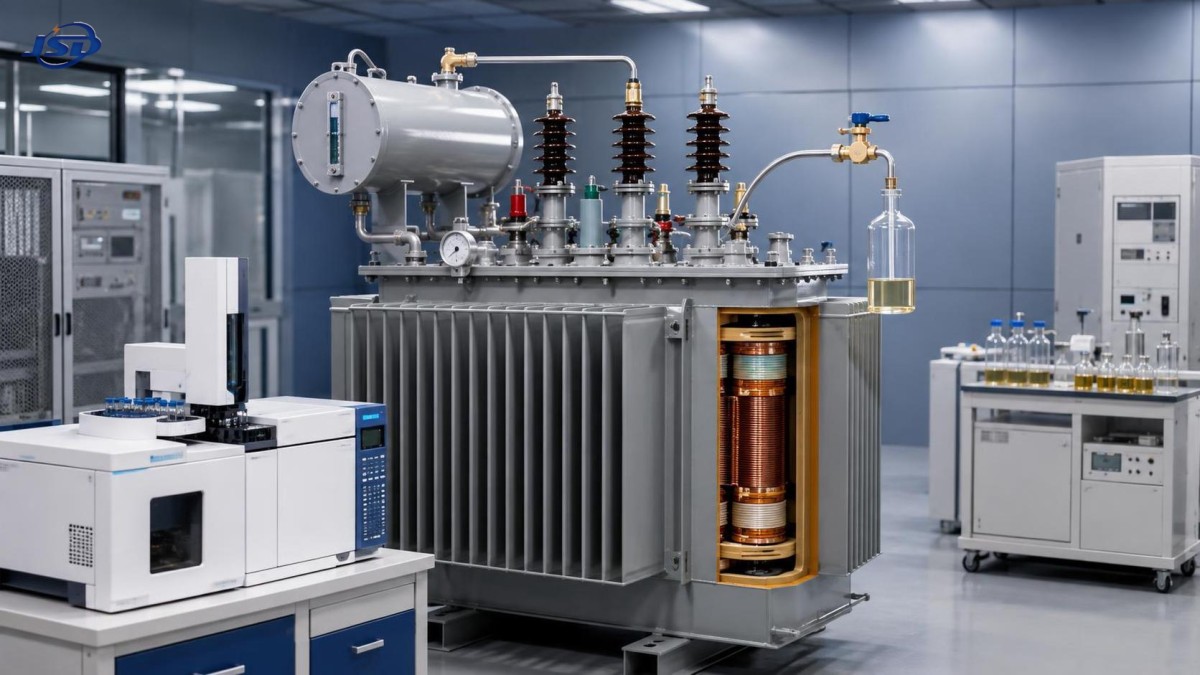
DGA works because insulating oil and cellulose insulation decompose differently when exposed to electrical stress, abnormal temperature, moisture, or mechanical damage inside the tank.
Hydrogen, methane, ethane, ethylene, acetylene, carbon monoxide, and carbon dioxide are the principal gases used to identify likely internal fault mechanisms.
Hydrogen is often associated with low-energy electrical activity, including partial discharge, corona, and some low-temperature oil overheating conditions inside energized transformer components.
Methane and ethane generally indicate thermal faults in oil. Their relative levels can help technicians distinguish mild overheating from progressively higher-temperature thermal activity.
Ethylene becomes more important when oil reaches higher temperatures. A rising ethylene trend often points to hot metal surfaces, circulating-current problems, or serious conductor heating.
Acetylene is the gas that normally deserves immediate attention. It is strongly associated with high-energy arcing, flashover, severe tap-changer problems, or destructive electrical discharge.
Carbon monoxide and carbon dioxide are produced when paper insulation ages or overheats. Their interpretation matters especially for transformers with cellulose-wrapped copper windings.
After-sales personnel should not treat gas names as final diagnoses. Each gas is evidence of energy and material decomposition, not proof of one exact damaged part.
A copper winding power transformer can produce several gases during one developing fault. For example, a loose winding connection may create resistance heating and later electrical discharge.
The maintenance priority should therefore be based on the complete gas fingerprint, the speed of gas generation, and whether the pattern agrees with operating events.
Which DGA Results Usually Require Faster Action?
The first assessment should separate stable background gassing from active fault development. Historical samples are usually more valuable than one laboratory report taken in isolation.
A sudden rise in total combustible gas indicates that energy is being released internally. Even when values remain below alarm thresholds, a sharp acceleration warrants investigation.
Increasing acetylene is generally the strongest reason to escalate. Technicians should compare results with previous samples, inspect loading history, and evaluate whether switching events occurred.
When acetylene rises alongside hydrogen and ethylene, the transformer may be experiencing arcing superimposed on thermal stress. This combination should not be managed casually.
High hydrogen without significant acetylene can suggest partial discharge or low-energy discharges. The next step is usually closer trending and electrical condition assessment.
Elevated methane and ethane with limited ethylene can indicate lower-temperature oil overheating. Common contributors include poor contacts, localized eddy currents, and overloaded metallic structures.
High ethylene relative to ethane suggests a hotter thermal fault. Maintenance teams should consider hot spots at leads, clamps, winding connections, or tap changer contacts.
Carbon monoxide rising faster than carbon dioxide can indicate accelerated paper insulation heating. This is significant because paper strength cannot be restored after thermal aging.
Gas limits are useful screening tools, but they should not replace engineering judgment. Transformer design, oil volume, loading profile, age, and prior degassing affect interpretation.
A small sealed distribution transformer may show rapid concentration changes because it contains less oil. A larger unit may dilute gases while still developing a serious fault.
How Copper-Winding Faults Appear in Gas Patterns
Copper itself does not create a unique DGA gas signature. Instead, faults around copper conductors generate heat or discharge that decomposes surrounding oil and insulation.
Loose winding joints, poor brazed connections, damaged leads, and high-resistance terminal interfaces can create localized thermal hot spots under normal operating current.
In an early connection-resistance fault, methane and ethane may increase first. As temperature rises, ethylene becomes more prominent and indicates more severe overheating.
If a damaged connection begins to arc, acetylene may appear. This transition from thermal gases to arcing gases can indicate that a manageable defect is becoming critical.
Winding deformation after short-circuit stress can also contribute to abnormal gassing. Mechanical displacement may damage insulation, alter clearances, or create intermittent conductor movement.
Partial discharge near a winding conductor often produces hydrogen-dominant gas patterns. It may result from voids, contamination, sharp metallic points, moisture, or insulation defects.
Technicians should compare DGA findings with winding resistance, turns ratio, excitation current, and frequency response testing where the transformer condition justifies additional testing.
A gas pattern alone cannot confirm winding movement or turn-to-turn damage. However, it can determine whether intrusive inspection or outage planning should be accelerated.
For copper-winding equipment, thermal evidence should also be correlated with load current. A high load may explain elevated temperatures, but it does not excuse abnormal gas growth.
Repeated overloads can accelerate insulation aging around conductors. When carbon monoxide rises with thermal oil gases, both conductor heating and cellulose damage should be considered.
Use Gas Ratios Carefully Instead of Mechanically
Gas-ratio methods provide a structured way to classify faults. Common approaches include Rogers ratios, the IEC ratio method, and Duval Triangle interpretation.
These methods compare relationships between selected gases rather than relying solely on absolute concentration. They can help separate partial discharge, thermal faults, and discharge faults.
Duval Triangle analysis is especially useful when several combustible gases are present. It converts relative percentages into regions representing likely fault categories.
However, ratio methods can become unreliable when gas concentrations are low, when gases are near detection limits, or when the unit has undergone recent oil processing.
Oil replacement, vacuum treatment, topping up, and degassing can change ratios without removing the fault source. Maintenance records must accompany every analytical interpretation.
Ratio methods should be treated as diagnostic aids, not automatic verdicts. An after-sales technician must still assess trends, protection events, temperatures, and physical transformer condition.
When two methods suggest different fault types, do not select the more convenient result. Review the raw data, sampling quality, and gas-generation rate before deciding.
Sampling errors can produce misleading results. Air ingress, contaminated bottles, inadequate flushing, poor sealing, and delayed transport can distort oxygen, nitrogen, and combustible gas readings.
For suspicious results, take a confirmatory sample promptly using controlled procedures. The second sample is often more valuable than an argument over a borderline ratio result.
Build a Practical DGA Response Workflow
After receiving laboratory results, first verify the transformer identity, sample date, oil compartment, laboratory method, and whether the result is comparable with previous reports.
Next, calculate the change in each key gas and total combustible gas. Focus on weekly or monthly generation rates when historical data is available.
Review recent events including overloads, lightning activity, short circuits, tap changes, protection operations, maintenance work, and oil treatment activities.
Then classify the condition into practical actions: normal trending, shortened sampling interval, targeted diagnostic testing, planned outage inspection, or immediate operational escalation.
For stable low-level gases, continue routine monitoring. Record loading and oil temperature so future changes can be interpreted against the transformer’s actual operating stress.
For moderate but increasing thermal gases, shorten the sampling interval and inspect accessible connections, cooling performance, external terminals, and load balance.
For hydrogen-dominant growth, consider moisture testing, insulation condition assessment, partial discharge investigation, and a review of grounding and surge protection conditions.
For acetylene detection or rapid combustible gas growth, notify responsible engineering personnel immediately. The appropriate response may include load reduction or removal from service.
Do not wait for a laboratory report alone to trigger action. Buchholz relay alarms, pressure relief activity, abnormal noise, oil leakage, or unusual temperature require parallel investigation.
A clear written recommendation should state the evidence, risk level, uncertainty, required next test, and operational deadline. This prevents ambiguous handovers between service teams.
Why Paper Insulation Gases Matter to Long-Term Reliability
Oil can be filtered, processed, or replaced, but aged cellulose insulation remains a permanent life-limiting concern. Carbon oxide gases help reveal this hidden deterioration.
Carbon monoxide is often linked more directly to active paper overheating, while carbon dioxide may reflect longer-term cellulose aging. Their relationship needs trend-based interpretation.
High carbon oxide levels can also be influenced by oil oxidation, prior thermal events, and transformer age. They should be reviewed alongside moisture and furan results.
Furan analysis provides additional insight into paper degradation. When rising furans support carbon oxide trends, the case for insulation aging becomes much stronger.
For older units, a moderate carbon oxide concentration may be expected. The more important question is whether the rate changes after loading or temperature conditions change.
Maintenance teams should recognize that copper winding temperature affects nearby paper directly. Persistent hot spots can weaken conductor insulation long before an electrical failure becomes visible.
This is why DGA should connect to asset-life decisions. A transformer may remain operational, but increasing insulation damage can alter spare planning and replacement timing.
Apply DGA Lessons to Pole-Mounted Distribution Transformers
Pole-mounted transformers often operate in exposed environments with variable load, lightning exposure, seasonal temperature changes, and limited opportunities for detailed field inspection.
For these units, baseline oil samples taken after commissioning create valuable reference points. Without a baseline, technicians must rely more heavily on repeat sampling and service history.
Distribution applications may involve smaller oil volumes, so gas concentrations can change quickly. A rapid trend should be assessed promptly rather than dismissed as sampling variation.
Jinshida’s Pole-Mounted Oil-Immersed Single-Phase Transformer is designed for rural and urban distribution, agricultural loads, civil buildings, and suburban networks.
Its high-voltage copper wire winding technology, low-voltage foil winding approach, and high-quality insulation materials support reliable operation in demanding distribution environments.
Available from 5kVA to 500kVA and rated for voltages up to 36kV, the design can be specified for different utility and local distribution requirements.
Built-in protection options such as fuses, surge arresters, and overload protection can reduce external stress. They do not eliminate the need for condition-based oil analysis.
When field conditions permit, DGA should be coordinated with visual checks for bushing damage, grounding condition, arrester performance, oil level, leaks, and abnormal load behavior.
Common Interpretation Errors After-Sales Teams Should Avoid
The most common error is treating a single elevated number as proof of failure. Gas values become meaningful when compared with previous results and operating conditions.
Another mistake is assuming that normal electrical tests clear a transformer with worsening gas generation. Some developing faults remain localized and intermittent during early stages.
Technicians should also avoid ignoring laboratory detection limits. A reported trace of acetylene may require confirmation, but it should never be erased from the maintenance record.
Do not compare results from different laboratories without checking methods and reporting units. Inconsistent testing practices can create false trends and unnecessary operational decisions.
Failure to record oil processing is equally damaging. Degassing may temporarily lower concentrations while the underlying overheating or discharge source continues developing internally.
Finally, avoid separating DGA from customer communication. Explain the risk in operational terms: monitoring frequency, loading limits, outage needs, and expected diagnostic next steps.
Conclusion: Treat DGA as a Decision Tool, Not a Laboratory Number
Dissolved gas results can reveal whether a copper winding power transformer is experiencing thermal stress, partial discharge, arcing, insulation deterioration, or potentially winding-related damage.
The strongest diagnosis combines gas identity, concentration, trend, rate of increase, loading history, protection events, and confirmatory electrical or oil-condition testing.
Hydrogen requires attention, ethylene often indicates hotter thermal activity, and acetylene demands particular urgency. Carbon oxide gases add essential evidence about paper insulation health.
For after-sales maintenance personnel, the goal is not to predict every internal detail from one sample. The goal is to make the next operational decision early and correctly.
Consistent sampling, disciplined trend review, and timely escalation transform DGA from a routine laboratory service into a practical defense against costly transformer failures.

Get a Quote
Regardless of whether you require general advice or specific support, we are happy to help you.
Send Us Your Inquiry Today

Jinshida Electric remains committed to contributing to global energy development through professional manufacturing and superior service.