





What to check before installing an open frame genset outdoors
Before installing an open frame genset outdoors, operators should evaluate key factors that affect safety, performance, and long-term reliability. From site ventilation and weather exposure to grounding, noise control, and maintenance access, every detail matters. A proper pre-installation check helps reduce operational risks, improve efficiency, and ensure the generator can deliver stable power in demanding industrial and infrastructure environments.
What operators really need to confirm before outdoor installation
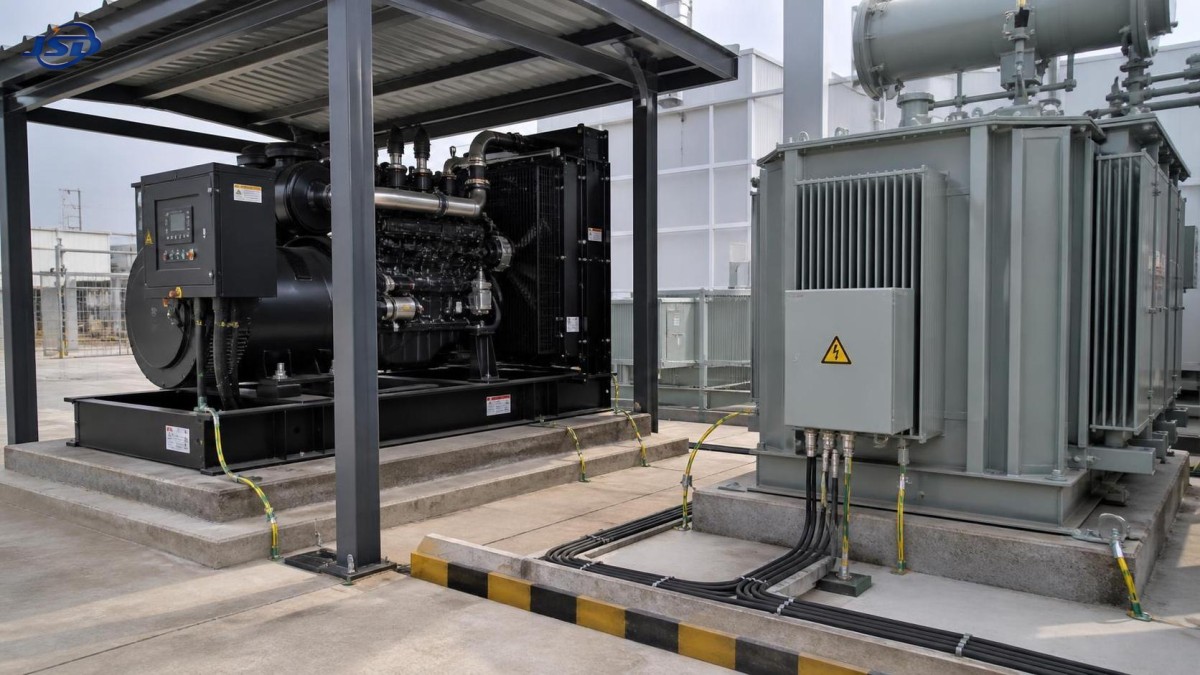
When people search for guidance on an open frame genset, they usually want a practical checklist, not a broad theory lesson. Their core intent is simple.
They need to know whether an outdoor location is actually suitable, what conditions can cause failure, and which checks must be completed before installation starts.
For operators, the biggest concerns are safety, stable output, weather exposure, maintenance convenience, and compliance with basic electrical and site requirements.
The most useful content is therefore direct, field-oriented, and decision-focused. It should help readers avoid installation mistakes that create shutdowns, overheating, corrosion, unsafe operation, or costly rework.
This article focuses on those priorities. It emphasizes real pre-installation checks and downplays generic generator descriptions that do little to support daily operating decisions.
Is the outdoor site actually suitable for an open frame genset?
The first question is not where the unit can physically fit. It is whether the site can support safe and reliable operation in all expected conditions.
An open frame genset has fewer protective barriers than enclosed units. That means outdoor placement exposes critical components directly to dust, rain, sunlight, temperature changes, and accidental contact.
Operators should inspect ground conditions carefully. The surface must be level, solid, and able to carry the full equipment weight without settlement or vibration-related movement.
Soft soil, uneven concrete, or locations near drainage channels often create long-term problems. Misalignment can increase vibration, stress mounting points, and affect connected cables or fuel lines.
Water risk deserves special attention. Never place the genset in a low point where stormwater can collect, or where nearby runoff may reach the base during heavy rain.
If the site is prone to flooding, a raised foundation or protected platform is usually necessary. Even short-term water exposure can damage wiring, insulation, and metal components.
Clear working space also matters. Operators need enough room for startup inspection, daily monitoring, filter replacement, fueling, and safe shutdown without crowding nearby equipment.
A practical rule is to think beyond installation day. If basic service tasks require moving obstacles or working in cramped positions, the location is not truly suitable.
How much ventilation and heat clearance does an open frame genset need?
Ventilation is one of the most important checks before installing an open frame genset outdoors. Good airflow supports combustion, cooling, and stable engine performance under load.
Although outdoor placement may seem naturally ventilated, nearby walls, fencing, containers, or stacked materials can trap heat and restrict airflow around the machine.
Operators should check the generator manufacturer’s clearance recommendations and compare them with the actual site layout. Do not estimate by eye when performance is at stake.
Hot air recirculation is a common problem. If exhaust heat or engine heat loops back toward the intake area, coolant temperature rises and output reliability falls.
This issue becomes more serious during summer operation, high-load use, or installation in industrial yards with limited air movement. A technically open site can still perform poorly.
Also review the surrounding environment for airborne dust, fibers, or corrosive particles. Outdoor industrial locations may expose the genset to cement dust, salt mist, or metal debris.
These contaminants reduce cooling efficiency, block filters, and accelerate wear. If such conditions are unavoidable, additional shielding and a stricter maintenance schedule are necessary.
For projects connected to wider power systems, operators often evaluate supporting equipment at the same planning stage. In renewable or mixed-energy applications, components such as Transformer for Wind Power Generation may also be considered as part of a broader outdoor power infrastructure strategy.
What weather protection is necessary if the genset is open frame?
Because the unit is open frame, weather protection cannot be treated as an afterthought. Rain, direct sun, snow, and strong wind all influence long-term operating reliability.
A protective canopy or shelter may be needed, but it must not block airflow or trap exhaust heat. Protection should reduce exposure without creating ventilation problems.
Sunlight exposure can raise surface temperatures and age rubber parts, wiring covers, and coatings faster than many operators expect. This is especially relevant in hot climates.
Rain protection should prevent water from entering electrical terminals, alternator areas, control panels, and cable entry points. Dripping water over time is enough to create failure risk.
In coastal or high-humidity environments, corrosion control becomes essential. Operators should inspect coating quality, hardware materials, and sealing points before installation proceeds.
Cold environments bring another set of concerns. Snow, ice, and low temperatures can affect starting performance, battery condition, fuel behavior, and access for routine inspection.
If local weather includes frequent storms or blowing debris, the genset may also need barriers against impact contamination. Leaves, plastic waste, and dust accumulation should not be underestimated.
The right goal is not to make the machine look protected. The goal is to keep critical systems dry, clean, cool, and serviceable throughout real outdoor operation.
What should be checked for grounding, cabling, and electrical safety?
Electrical safety checks should be completed before the unit arrives on site whenever possible. Waiting until final hookup often leads to rushed decisions and preventable hazards.
Grounding must follow applicable local codes and the equipment manufacturer’s instructions. A poor grounding arrangement can compromise both operator safety and equipment protection.
Operators should verify grounding point location, conductor size, connection integrity, and soil or site conditions that may affect grounding performance over time.
Cable routing must be planned for mechanical protection and weather resistance. Outdoor cables should not be left exposed where vehicles, water, sharp edges, or heat can damage them.
It is also important to confirm load requirements before installation. The open frame genset must be matched to expected voltage, frequency, starting current, and total power demand.
Many field issues come from poor load planning rather than defective machines. Overloading, imbalance, or unsuitable connection arrangements can shorten equipment life and destabilize output.
If the genset supports critical operations, include proper isolation, transfer switching, and protection coordination in the installation plan. Emergency use does not justify informal wiring practices.
Where broader power distribution equipment is present, system compatibility matters. In some industrial or renewable applications, a Transformer for Wind Power Generation or related equipment may influence site layout, protection planning, and cable routing decisions.
How should operators manage exhaust direction, noise, and nearby people?
Outdoor installation does not remove the need for exhaust planning. Exhaust gases must discharge safely away from work areas, doors, ventilation intakes, and any place people may remain nearby.
Wind direction should be considered during site assessment. A discharge point that seems acceptable in calm weather may send fumes toward occupied areas during seasonal wind changes.
Heat from the exhaust path can also affect nearby materials and structures. Check separation from combustible items, cable trays, plastic pipes, and maintenance walkways.
Noise is another major issue for operators and site managers. Open frame gensets are usually louder than enclosed alternatives, and outdoor sound can travel farther than expected.
Before installation, identify who will be affected by generator noise during normal operation and testing. This may include workers, nearby facilities, residential boundaries, or security posts.
If noise limits apply, plan mitigation measures in advance. These may include acoustic barriers, optimized orientation, muffler selection, or relocation to a less sensitive zone.
Do not leave these decisions until complaints appear. Once the genset is fully installed and commissioned, moving it or redesigning the area becomes more expensive.
Operator safety around the machine also matters. Mark hot surfaces, rotating hazards, and restricted zones clearly, especially where outdoor traffic or mixed-site activity increases accidental contact risk.
Are fuel supply and fire protection ready for long-term outdoor use?
Fuel system planning should support both daily operation and emergency reliability. Operators need to confirm not just fuel capacity, but also safe storage, clean delivery, and leak prevention.
Outdoor fuel tanks, hoses, and connections should be inspected for weather resistance, secure mounting, and protection from accidental impact or unauthorized access.
Fuel contamination is a common but overlooked issue. Water ingress, dirt, and microbial growth can cause hard starting, unstable running, and injector or filter problems.
If the site experiences large temperature swings, check whether condensation inside tanks may become a recurring issue. Preventive controls are easier than repeated corrective maintenance.
Fire safety should be addressed as part of the installation design, not as a box to tick after the unit is placed. Keep extinguishers accessible and matched to the fuel risk.
Also verify clear emergency shutdown access. Operators should be able to isolate the genset quickly without crossing dangerous areas or searching through obstructed pathways.
Where local regulations require bunding, spill containment, signage, or minimum separation distances, these items should be built into the site layout from the beginning.
Good fuel planning improves more than safety. It also reduces service interruptions, protects engine health, and supports more predictable performance during sustained outdoor operation.
Can the genset be maintained easily after installation?
Many outdoor installation decisions look acceptable until the first real service interval arrives. That is why maintenance access should be treated as a pre-installation requirement.
Operators should confirm that filters, drain points, battery terminals, control panels, and inspection points are reachable without unsafe climbing, awkward body positions, or temporary dismantling.
There should also be enough space for test instruments, lifting tools, replacement parts, and routine cleaning work. Outdoor sites often become more crowded over time.
Lighting is another practical factor. If the genset may be inspected at night or during poor weather, service visibility must be adequate for safe operation and fault diagnosis.
Think through the full maintenance cycle: daily checks, weekly runs, periodic servicing, and emergency repairs. A site that only supports startup access is poorly designed.
Operators should also review spare parts logistics. If filters, belts, or electrical consumables are not easy to replace on site, downtime risk increases significantly.
A well-planned maintenance layout improves reliability because small issues are more likely to be spotted early. Poor access often means problems remain unnoticed until they become costly.
A practical pre-installation checklist for operators
Before final approval, operators can use a simple checklist to confirm readiness. The site should be level, dry, structurally sound, and large enough for safe operation and service access.
Ventilation paths should be open, with no nearby barriers that trap heat or redirect hot air back toward the genset. Airborne dust and corrosive exposure should also be reviewed.
Weather protection should keep rain and debris away from critical components without reducing airflow. Drainage, sun exposure, and local climate conditions must be considered realistically.
Grounding, cabling, and load matching should be verified against technical requirements and local standards. Cable routes must be protected from water, traffic, abrasion, and heat.
Exhaust direction, noise impact, and restricted access zones should be planned before installation. Operators should know exactly how nearby people and structures will be affected.
Fuel storage, leak control, fire response, and emergency shutdown access should all be confirmed in advance. These are essential operating conditions, not optional upgrades.
Finally, maintenance access should be checked from the operator’s perspective. If routine service is difficult on day one, long-term reliability will almost certainly suffer.
Conclusion
Installing an open frame genset outdoors is not just about placing equipment in an open area and connecting power. Reliable performance depends on careful preparation before installation begins.
For operators, the most important checks involve site suitability, airflow, weather protection, grounding, exhaust safety, noise control, fuel security, and maintenance access.
When these factors are reviewed early and handled properly, the open frame genset is far more likely to deliver stable output, safer operation, and lower lifecycle trouble.
In demanding industrial, infrastructure, and energy environments, a disciplined pre-installation review is one of the simplest ways to protect both equipment performance and operational continuity.

Get a Quote
Regardless of whether you require general advice or specific support, we are happy to help you.
Send Us Your Inquiry Today

Jinshida Electric remains committed to contributing to global energy development through professional manufacturing and superior service.