






For most project purchases, negotiate warranty coverage from documented commissioning or acceptance, supported by a delivery-based deadline that prevents the supplier’s liability from remaining open indefinitely.
Should your transformer warranty start at shipment, delivery, commissioning, or formal acceptance? For commercial evaluators, this detail can determine whether coverage protects actual operating time.
Coverage may otherwise expire while equipment remains in storage. When assessing a distribution transformer supplier, the warranty start date deserves as much attention as price and technical compliance.
This article explains how common warranty triggers affect buyer risk, why commissioning delays and storage conditions matter, and which contract terms help establish clear, commercially balanced coverage.
Which warranty start date best protects your purchase?
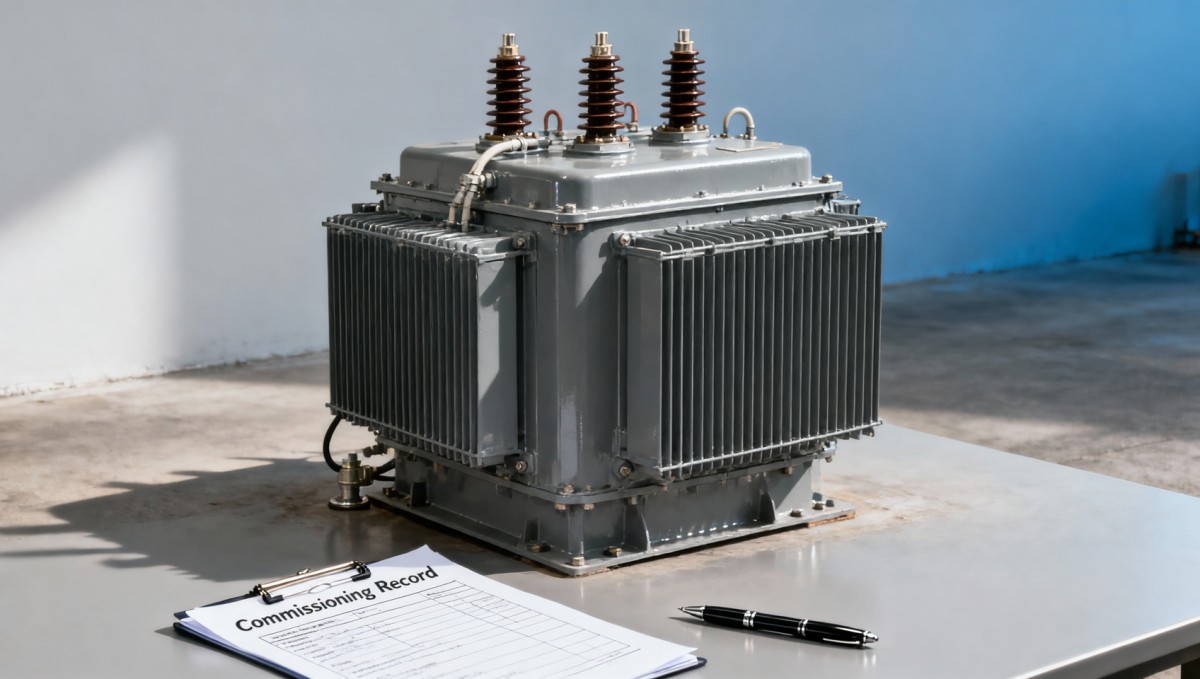
There is no universally correct trigger. The right arrangement depends on the project schedule, storage responsibilities, commissioning scope, and each party’s ability to control delays.
For equipment intended for immediate installation, delivery-based coverage may be commercially acceptable. For phased construction, commissioning-based coverage usually aligns more closely with actual operational exposure.
Formal acceptance can also work, provided acceptance has objective criteria and a deadline. Otherwise, administrative delays can create uncertainty about when the warranty actually begins.
A practical compromise combines an operating warranty with an outside expiry date. Buyers receive meaningful service coverage, while suppliers can estimate their maximum contractual exposure.
Always distinguish the start trigger from the expiry formula. A commissioning trigger offers limited protection if a separate shipment deadline cuts coverage short soon afterward.
How much operating coverage does the quotation actually provide?
Compare warranty offers against your expected energization date, rather than comparing headline durations alone. A longer shipment-based warranty can provide less operating protection than a shorter commissioning-based warranty.
For illustration, assume delivery occurs on January 1 and commissioning occurs on October 1. The transformer spends nine months awaiting installation, testing, or site readiness.
An eighteen-month warranty from delivery then provides approximately nine months after commissioning. A twelve-month warranty from commissioning provides twelve months, subject to any outside expiry date.
These periods are negotiation examples, not universal industry requirements. Applicable law, supplier policy, equipment scope, and project financing conditions may produce a different contractual arrangement.
A common contractual structure uses two clocks: a period after commissioning and a maximum period after delivery. The agreement must specify which expiry takes precedence.
For example, “twelve months after commissioning or eighteen months after delivery, whichever occurs first” provides only nine operating months when commissioning follows delivery by nine months.
Ask bidders to calculate expiry dates using the same project milestones. This exposes coverage gaps that remain hidden when procurement compares warranty durations in isolation.
What exactly counts as commissioning or acceptance?
“Commissioning” should identify an observable event, supported by agreed records. Otherwise, first energization, completed site testing, and commercial operation may become competing interpretations of the same trigger.
Define whether commissioning requires successful energization, completion of specified site tests, or a stated operating observation period. Match these requirements to the equipment and installation.
Also identify who signs the completion record. The buyer, installation contractor, supplier representative, and independent engineer may have different responsibilities under the wider project contracts.
If supplier attendance is mandatory, specify notice periods, attendance costs, and alternatives when attendance is unavailable. A scheduling failure should have a defined contractual consequence.
Acceptance needs similar precision. Distinguish defects preventing safe operation from minor documentation or finishing items, and state whether minor outstanding items postpone the warranty trigger.
Receipt, acceptance, warranty commencement, title transfer, and risk transfer should each be addressed expressly. One event should not silently determine every other commercial responsibility.
Incoterms can allocate specified delivery obligations, costs, and risks, but do not independently establish the warranty commencement date. Put the warranty trigger directly into the contract.
Who carries the risk when commissioning is delayed?
Commercial evaluators should separate delays by cause: buyer site readiness, supplier defects, transport disruption, and regulatory approvals create different questions about fair allocation of risk.
If the buyer postpones installation for its own convenience, a supplier may reasonably seek a fixed expiry limit, documented preservation duties, or a priced extension.
If commissioning is delayed by a supplier-responsible defect, negotiate an adjustment preventing that delay from consuming the agreed operating warranty. Define the supporting evidence required.
For delays outside either party’s control, establish a notification and extension process. Avoid relying on an informal assurance that the supplier will “consider the situation.”
Storage obligations should follow written instructions appropriate to the transformer design. Oil-filled and dry-type equipment can require different inspection, environmental protection, and preservation measures.
Agree who maintains storage records, pays preservation costs, and approves extended storage. Ask whether a missed requirement affects all coverage or only damage causally connected to it.
Before shipment, request storage guidance and extension pricing. Discovering these conditions after equipment reaches site can weaken the buyer’s negotiating position and complicate project budgeting.
Which warranty terms matter as much as the start date?
A favorable start date has limited value if remedies exclude the largest recovery costs. Evaluate the supplier’s obligations alongside the practical work needed to restore service.
Clarify whether coverage includes diagnosis, replacement parts, repair labor, travel, lifting, freight, and reinstallation. A replacement component alone may leave substantial costs with the buyer.
Ask where repairs will occur and who arranges transport. Returning a transformer to the factory may involve different costs and downtime from an on-site repair.
Response commitments also need precision. Acknowledging a claim within one day is different from dispatching an engineer or restoring service within an agreed period afterward.
Review exclusions for overload, external faults, unsuitable installation, environmental conditions, and unauthorized modifications. Seek wording that connects an exclusion to the cause of the failure.
Specify the treatment of repaired or replaced components. Coverage might continue for the original remaining term or receive an additional period, depending on the agreement.
Finally, establish notice deadlines, required evidence, and claim contacts. Preserve serial numbers, commissioning reports, operating records, and relevant protection-event data to support efficient fault assessment.
How should you compare suppliers on commercial value?
Use a common evaluation sheet for every distribution transformer supplier. Record the trigger, outside expiry, expected operating coverage, exclusions, remedy costs, and available extension options.
Then consider project exposure: commissioning uncertainty, replacement lead time, access constraints, and the financial effect of an outage. These factors determine the value of additional coverage.
Ask each bidder to price the same warranty alternatives. Separating the extension price makes it easier to assess whether additional protection justifies its commercial premium.
For critical installations, discuss temporary power arrangements alongside warranty remedies. Temporary supply may support selected loads while diagnosis, repair, or replacement proceeds under separate responsibilities.
For emergency or temporary applications, the 100kW/215kWh Mobile Trailer Energy Storage System offers a trailer-mounted LiFePO4 battery system with 100kW rated power and 215kWh rated capacity.
Its listed features include 400V AC output and charging from grid, solar PV, or diesel generators. Suitability still requires load, protection, interface, and runtime assessment.
Nominal energy divided by rated power suggests 2.15 hours before accounting for usable capacity, conversion losses, and operating conditions. Actual backup duration therefore requires project-specific confirmation.
Treat backup equipment specifications separately from transformer warranty obligations. Battery cycle-life data, for example, does not establish a contractual warranty period for either product category.
What wording should procurement put into the contract?
A useful clause defines the trigger, duration, outside expiry, supporting records, and treatment of delays. The following structure illustrates negotiation points rather than ready-to-sign legal language.
Warranty coverage begins on the documented commissioning date and continues for [A] months, but expires no later than [B] months after delivery to [named location], whichever occurs first. Commissioning means successful completion of [agreed tests], evidenced by [specified record]. Delays attributable to supplier-responsible defects extend the applicable deadlines by the documented delay period. Storage obligations follow the agreed preservation schedule. Any deemed-commissioning provision applies only under the expressly stated conditions.
Complete the placeholders using the actual project schedule and negotiated allocation of risk. Check that the technical specification, purchase order, and supplier quotation use consistent terms.
Any deemed-commissioning provision deserves particular attention. Define the notice, equipment readiness, buyer-caused delay, and elapsed period required before a commissioning date can be assumed contractually.
Require an order-of-precedence clause when supplier standard terms conflict with negotiated conditions. Otherwise, an agreed commissioning warranty may compete with shipment-based wording elsewhere in the documents.
For cross-border purchases, have qualified counsel review governing law, enforceability, and mandatory rights. Contractual warranty wording may not fully describe all remedies available under applicable law.
Choose coverage that matches the project’s operating timeline
The strongest commercial position is a clearly defined warranty that protects meaningful operating time, with reasonable limits reflecting storage conditions and responsibility for commissioning delays.
Before selecting a distribution transformer supplier, establish the expected expiry date, the evidence that starts coverage, and the costs the supplier must bear following a covered failure.
Jinshida Electric Power Technology Co., Ltd. focuses on transmission and distribution equipment. Buyers should request project-specific written warranty terms alongside technical documentation and service commitments.
Make the purchase decision against those confirmed obligations. A competitive quotation becomes more valuable when its warranty remains useful at the point your transformer enters service.
