





Oil-Immersed Transformer Price List: Which Cost Factors Really Change the Final Quote?
When reviewing an oil-immersed transformer price list, the first thing to separate is listed cost from final quote. The headline number usually assumes a defined technical scope: rated capacity, voltage class, cooling method, insulation level, loss targets, accessories, packing condition, and test scope. Once any of those items shifts, the quote changes with it. For procurement budgeting, that difference matters more than comparing two prices line by line.
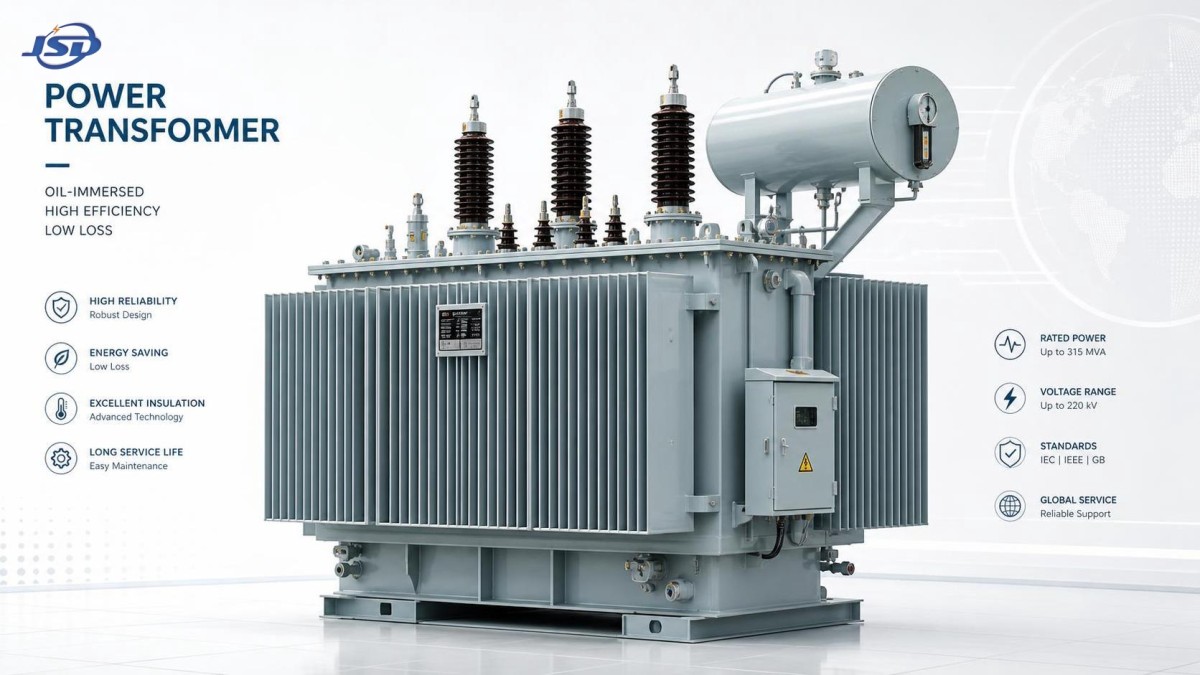
The most obvious cost driver is capacity. A transformer built for a higher MVA rating needs more copper or aluminum, more core material, a larger tank, stronger clamping parts, and more robust cooling surfaces. Voltage class changes the geometry as well. Higher voltage usually requires more insulation clearance, different winding arrangement, and a larger bushing and lead design. These are not small adjustments; they change material use and processing time throughout the build.
Core material is another major factor in an oil-immersed transformer price list. The grade of silicon steel, the cutting pattern, and the stacking method all affect both no-load loss and manufacturing waste. A lower-loss design may require tighter control on lamination selection and assembly. Winding material also matters. Copper and aluminum do not behave the same in cost structure, current density, mechanical strength, or thermal performance. Copper can increase direct material cost, while aluminum may require different conductor dimensions to meet electrical and temperature-rise limits. The final decision is usually tied to specification, not preference.
Insulation design affects cost in a quieter but very real way. Paper-oil insulation system, oil duct spacing, pressboard structure, and internal clearances must match the operating environment and test requirements. If the transformer is expected to handle severe temperature variation, higher altitude, pollution, or frequent load fluctuation, the insulation and cooling design may need to be strengthened. That typically adds material, extends engineering effort, and can lengthen the production cycle.
Loss performance is another line item that often changes the quote. A design targeting lower no-load loss or lower load loss generally needs better magnetic materials, refined winding layout, and tighter process control. In practice, low-loss targets can raise upfront cost even when the external size looks similar. This is one of the most common misunderstandings in a transformer cost review: two units with the same capacity may look interchangeable, yet one is priced higher because the operating loss requirement is stricter.
Testing scope also influences the price. Routine tests are usually part of standard manufacture, but additional dielectric checks, special temperature-rise verification, noise measurement, impulse-related requirements, or third-party witnessing can increase cost. Some projects also request additional documentation, inspection points, or packing conditions for long-distance shipment. Each added requirement may be small on its own, but together they change the quote structure.
Transport and installation conditions deserve attention because they are often excluded from an initial comparison. A compact unit shipped over long distance may need reinforced packing, moisture protection, lifting constraints, or special route planning. If site access is limited, the design may need to account for transport dimensions, assembly sequence, and on-site positioning. For temporary or mobile power needs, a Mobile Temporary Compact Substation can change the procurement picture because the price is no longer only about the transformer body; switchgear arrangement, enclosure layout, mobility features, and interface coordination may all enter the scope.
Accessories are another area where quotes diverge. Conservator type, oil level gauge, pressure relief device, thermometer pocket, tap changer form, bushings, rollers, lifting lugs, grounding arrangement, and monitoring points can be configured in different ways. A price list often assumes a standard accessory package, but a project specification may ask for a different set. That is why a low first quote can look attractive while still leaving exposed gaps in the final scope.
Specification language can also hide cost differences. “Outdoor use,” for example, does not automatically mean the same tank coating, sealing method, or corrosion protection level. Coastal humidity, industrial dust, freezing weather, or high ambient temperature can each push the design toward a different material and protection choice. The same applies to noise requirement, overload expectation, and service life assumptions. If those conditions are not written clearly, the price list is only a rough indicator.
Procurement teams often over-focus on nameplate capacity and miss the electrical system context. A transformer tied to grid reinforcement, industrial distribution, renewable plant integration, or infrastructure backup may need a different impedance range, tapping range, or connection arrangement. A tighter impedance tolerance can affect short-circuit performance and design difficulty. A wider tapping range may affect the winding structure and tap changer selection. These are technical details, but they translate directly into cost and delivery time.
Maintenance expectations also shape the economic picture. A transformer designed for easier inspection, oil sampling, or accessory replacement may carry a different upfront cost than one optimized only for initial purchase price. If operating conditions are harsh or load changes are frequent, the cost of downtime and service access can matter more than the first invoice. That does not make the more expensive unit automatically better; it simply means the quote should be compared against the real duty cycle.
Volume and repeat order structure can alter pricing as well, but only when the technical scope stays stable. If a quotation is built around one-off engineering, one-size-fits-all pricing rarely holds. Once drawings, material grades, test points, and delivery terms are fixed, the quote becomes more stable. Without that stability, a price list can mislead more than it informs.
In practice, the cleanest way to read an oil-immersed transformer price list is to ask which variables are already locked and which remain open. Capacity, voltage, material choice, loss level, insulation design, accessories, tests, and logistics each sit on a different cost layer. A small wording change in the specification may shift several layers at once. That is why the final quote should be treated as a technical outcome, not a single market number.
For cost review, the useful question is whether the quotation reflects the real operating condition. If it does, the number can be evaluated on equal terms. If it does not, the cheapest line may only be the least complete one.

Get a Quote
Regardless of whether you require general advice or specific support, we are happy to help you.
Send Us Your Inquiry Today

Jinshida Electric remains committed to contributing to global energy development through professional manufacturing and superior service.