





Battery Container Storage Maintenance Checklist to Prevent Downtime
It usually starts with something small: a temperature alarm that clears itself, a door that does not seal as tightly as it should, a trace of dust around cable entries, or a battery monitoring value that looks slightly off compared with the previous visit. In many sites, these signs are easy to postpone because the system is still running. Then a minor issue turns into an urgent callout, and the real problem is not just the repair itself but the downtime, access coordination, and the pressure of restoring stable power conditions quickly.
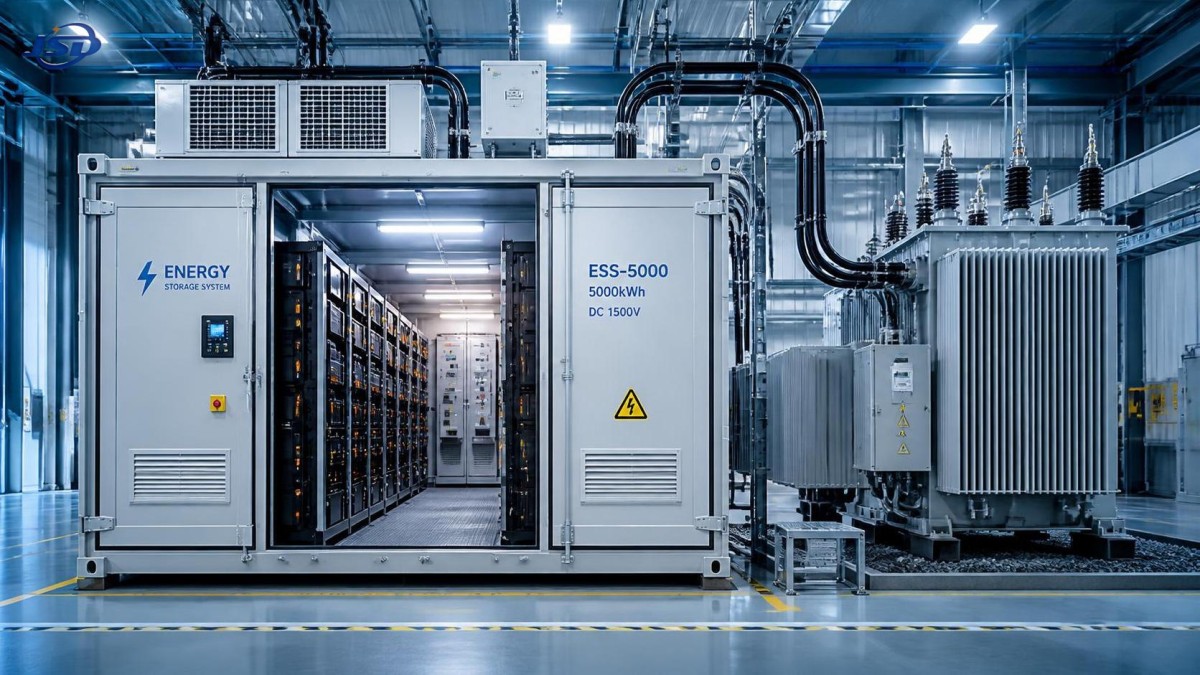
For teams responsible for maintaining battery container storage systems, this pattern is familiar. The enclosure protects critical battery assets, but it also concentrates several risks into one space: heat, moisture, ventilation dependence, cable terminations, control devices, and physical security. A practical checklist helps because it reduces guesswork. Instead of relying on memory or only reacting to alarms, you inspect the same high-risk points every time and catch the conditions that usually lead to interruption.
The checklist below is written for field use. It is not a theory-heavy maintenance note. It follows the way many maintenance visits actually happen: you arrive on site, check whether the container is safe to enter, verify that the environment is stable, inspect the batteries and supporting equipment, then decide whether the issue can be corrected immediately or needs escalation.
Start with the signs that usually appear before downtime
When a battery container begins to drift out of normal operating condition, the early symptoms are often indirect. The battery itself may not be the first thing that looks wrong. Common warning signs include repeated HVAC cycling, condensation on interior surfaces, rising dust near air paths, unusual odor, loose access hardware, nuisance alarms from monitoring devices, or visible corrosion around metal fittings and terminals.
If you are dealing with a site where alarms come and go without a clear failure, it helps to treat the enclosure as a system rather than focusing only on battery readings. In battery container storage environments, air management, sealing, structural integrity, and power distribution support all affect battery reliability. A good inspection routine connects these points instead of checking them in isolation.
Before opening panels, confirm the maintenance conditions
A rushed inspection often misses the real cause. Before touching anything, confirm the basic conditions of the visit:
- Review recent alarms, operating logs, and maintenance notes.
- Check whether the site has experienced unusual ambient weather, dust exposure, flooding risk, or recent electrical work.
- Verify isolation procedures, PPE, and access controls.
- Make sure test tools are in calibration and suitable for battery, insulation, and environmental checks.
- Confirm whether any ventilation, fire protection, or monitoring circuits are under bypass or temporary modification.
This preparation matters because many recurring problems are not random failures. They are often linked to recent changes: a replaced fan unit, a door left misaligned after a previous visit, a cable gland disturbed during expansion work, or a sensor shifted out of position.
The field checklist that prevents most avoidable failures
The following checklist works best in sequence. It moves from outside to inside, then from visible conditions to electrical and control checks. That order reduces the chance of overlooking enclosure-related causes.
1. Exterior condition and physical security
Walk around the container before entering. Look for deformation, water pooling, blocked drainage paths, rust at base edges, damaged coatings, loose fasteners, and impact marks near doors or ventilation sections. Check roof edges and joints where rainwater can enter slowly over time. Even a small leak path can create recurring humidity problems inside.
Doors, hinges, handles, and locking mechanisms should operate smoothly without forcing. A container that does not close squarely may still look acceptable from a distance, but poor sealing changes the internal environment and accelerates contamination.
2. Seal integrity and cable entry points
Inspect door gaskets, panel joints, louvers, and cable entries closely. Hardened seals, cracked rubber, missing compression, and poorly seated glands are common sources of moisture and dust ingress. Pay special attention to any point where cables enter from below or through sidewalls. These penetrations are often disturbed during later modifications and not always restored properly.
Where rodents, insects, or fine dust are a known issue, signs may appear first around these openings rather than near the batteries themselves.
3. Internal cleanliness and housekeeping
Once inside, do not start by cleaning everything immediately. First observe the condition as found. Dust patterns can show airflow issues. Water marks can reveal leak direction. Debris near intakes may indicate neglected filters or poor site housekeeping. Only after documenting the condition should you proceed with cleaning.
Remove dust using approved methods that do not spread conductive particles. Keep walkways clear and ensure no loose packaging, tools, or unused parts remain inside. In containerized systems, simple housekeeping has a larger effect than many people expect because airflow and heat concentration are more sensitive in a closed enclosure.
4. Temperature, humidity, and ventilation checks
This is often where preventable downtime begins. Compare the actual internal temperature and humidity with the expected operating range for the installed equipment. Check whether readings are consistent across different points or whether one section is hotter than the rest. Uneven conditions can point to blocked airflow, failing fans, dirty filters, sensor drift, or poor equipment layout.
Inspect air conditioners, fans, filters, vents, duct paths, and condensate drainage. Listen for unusual fan noise and verify that units cycle correctly rather than short-cycling. If filters are loaded with dust, replace or clean them according to site practice. If condensate is not draining correctly, water may re-enter the enclosure or increase humidity in a way that creates corrosion risk.
A common mistake is treating HVAC performance as separate from battery maintenance. In battery container storage, poor thermal control directly affects battery consistency, monitoring accuracy, and service life.
5. Battery racks, modules, and visible electrical condition
Inspect racks for stability, signs of movement, coating damage, corrosion, and any hardware loosening. Then check the batteries or battery modules visually for swelling, leakage, discoloration, cracked casings, residue buildup, or heat marks near terminals. None of these should be ignored, even if system operation appears normal.
Terminal areas deserve careful attention. Look for looseness, corrosion, oxidation, or contamination. If the maintenance procedure allows torque verification, use the correct method and avoid unnecessary disturbance. Repeated retightening without cause can create its own problems.
6. Cables, terminations, and routing
Follow the DC and control wiring paths. Look for insulation damage, abrasion against metal edges, unsupported cable weight, poor bend radius, and signs of overheating at lugs or junctions. Check whether cable tags are still legible and whether any recent additions have made the routing crowded.
In compact installations, a cable problem may start as a mechanical issue before it becomes an electrical one. A cable pulled too tightly through an entry point can compromise both insulation and sealing at the same time.
7. Monitoring devices and alarm logic
Verify that sensors for temperature, humidity, smoke, door status, and battery monitoring are physically secure and reading plausibly. Compare displayed values with handheld measurements where practical. If a site has nuisance alarms, do not assume the sensors are faulty; first confirm placement, airflow influence, loose wiring, and power quality to the monitoring circuit.
It is worth checking whether alarm thresholds still match actual operating needs. Sometimes the issue is not a failing component but a mismatch between site conditions and alarm settings after an equipment update or layout change.
8. Grounding, bonding, and metal continuity points
Containerized systems depend on reliable grounding not only for protection but also for stable operation of monitoring and auxiliary equipment. Inspect visible bonding straps, grounding connections, and corrosion at termination points. Loose or degraded bonding can contribute to intermittent faults that are hard to trace later.
9. Fire detection and safety support systems
If the container includes smoke detection, suppression interfaces, emergency lighting, or access interlocks, include them in the routine instead of leaving them for a separate visit whenever possible. Many failures become more disruptive because support systems were assumed to be healthy but had not been functionally checked in context.
When the problem is not the battery at all
One of the most useful corrections in maintenance practice is to stop assuming every performance issue comes from the battery string. In enclosed energy installations, repeated faults may trace back to the supporting distribution arrangement, enclosure design, or equipment spacing. That is why some sites review the upstream and adjacent equipment when recurring environmental or access issues continue.
For example, where layout constraints make inspection difficult or where supporting power equipment and battery infrastructure must coexist within a compact footprint, the broader station arrangement can affect long-term maintainability. In projects that require coordinated distribution and enclosure planning, some teams consider configurations such as the European-Type Compact Substation as part of the overall site setup, especially when space use, equipment protection, and service access need to be balanced. It is not a maintenance shortcut, but it can reduce the kind of site conditions that make routine upkeep harder than it should be.
What to correct immediately and what to escalate
Not every defect carries the same urgency. During inspection, it helps to sort findings into three groups.
- Correct on site: clogged filters, minor cleaning needs, loose non-critical hardware, mislabeled items, small housekeeping issues, and clearly identifiable seal replacement where safe and authorized.
- Monitor and schedule: early corrosion, localized coating damage, aging gaskets, moderate airflow imbalance, sensor drift needing confirmation, and cable support improvements.
- Escalate without delay: battery swelling or leakage, repeated unexplained thermal alarms, water ingress near live parts, overheating marks on terminals, compromised grounding, fire system faults, or structural damage affecting enclosure integrity.
This simple classification keeps maintenance visits practical. It also improves handover quality because the next action is defined, not left as a vague note in the service record.
Small habits that reduce repeat callouts
Most repeat failures are not caused by a lack of technical knowledge. They happen because routine steps are skipped when the site seems stable. A few habits make a noticeable difference:
- Take photos of seals, filters, cable entries, and any unusual dust or moisture pattern before cleaning.
- Record ambient conditions during the visit, not just equipment readings.
- Use the same inspection path each time so changes stand out faster.
- Check doors again after internal work is complete; many sealing issues are introduced at the end of a visit.
- Do not close a repeated alarm as resolved unless the physical cause has been verified.
These are simple practices, but they are often what separate a stable maintenance program from one that keeps reacting to the same site conditions.
Final inspection before leaving the site
Before closing the work order, walk the container one more time as if you were arriving fresh. Confirm that panels are secure, tools and debris are removed, filters and covers are seated properly, alarms are normal, access points are locked, and any temporary bypass has been restored. If the enclosure supports remote monitoring, verify that the system is communicating correctly after maintenance.
A reliable battery container storage setup is usually not maintained through one major intervention. It stays reliable because small deviations are noticed early and handled in a consistent way. If your sites have been experiencing avoidable interruptions, a disciplined checklist is often the most effective place to start: not because it is complicated, but because it keeps the obvious issues from being missed.

Get a Quote
Regardless of whether you require general advice or specific support, we are happy to help you.
Send Us Your Inquiry Today

Jinshida Electric remains committed to contributing to global energy development through professional manufacturing and superior service.